Stylish Moms: 3 Perfect Bags for Every Journey
For modern moms, travel with little ones doesn’t have to mean sacrificing style or practicality. The right diaper bag is
Stylish Moms: 3 Perfect Bags for Every Journey Read Post »
For modern moms, travel with little ones doesn’t have to mean sacrificing style or practicality. The right diaper bag is
Stylish Moms: 3 Perfect Bags for Every Journey Read Post »
In the fiercely competitive landscape of maternity and infant retail, a common challenge lies hidden behind shelves of abundant merchandise:
This guide breaks down the smart ways to maximize diaper bag storage and functionality—perfect insights for suppliers looking to offer high-value products.
How to Organize Baby Essentials with Diaper Bag: A Smart Guide for Parents Read Post »

This article will explore the global production of PU leather and how it impacts your product choices. Additionally, we’ll introduce how Hangzhou Wonder Import and Export Co., Ltd. can help you source high-quality, customized maternity bags using premium PU leather.
Where is PU Leather Made? A Comprehensive Guide for Diaper Bag Buyers Read Post »
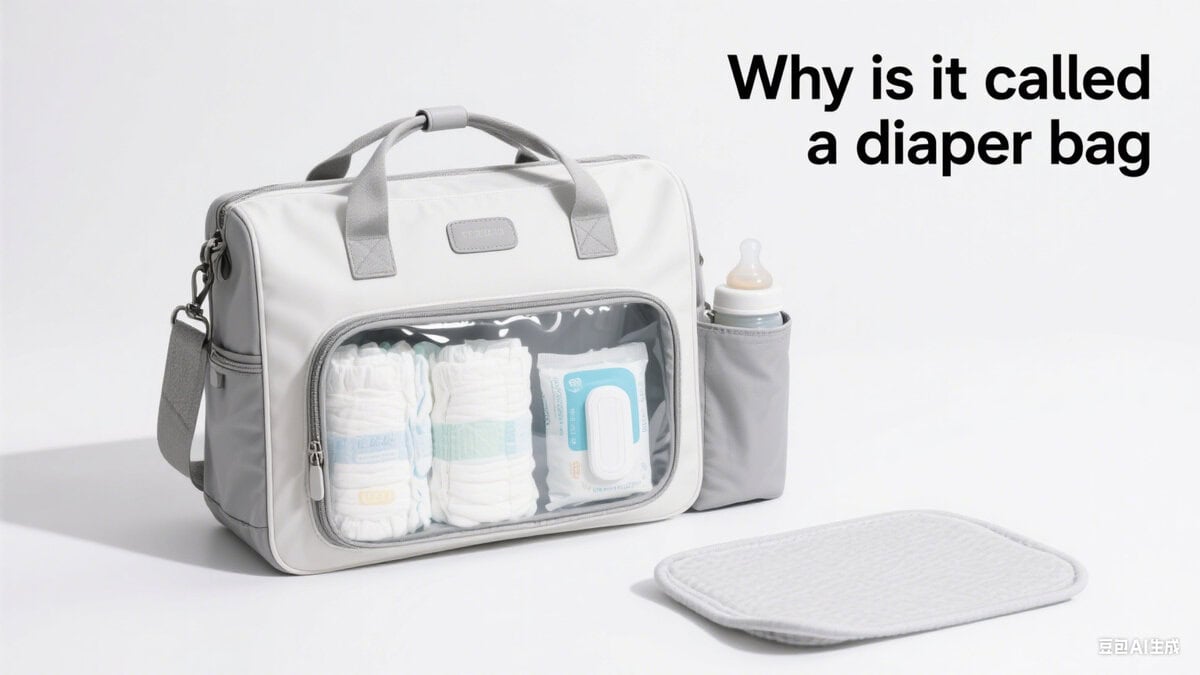
This article, from the perspective of a diaper bag supplier, explains why it is called a “diaper bag”. The name originated in the 1960s when disposable diapers emerged, and a bag specifically designed to carry diapers was created to meet parents’ needs, thus getting its name due to its core function of holding diapers. It also elaborates that the name serves as a universal signal for parents, guiding suppliers in product design, and boosting sales for businesses. Additionally, it introduces the future innovation directions of diaper bags, such as smart, multi-stage, and sustainable designs, while expressing the willingness to achieve win-win cooperation with partners.
Why Is It Called a Diaper Bag? Insights from Supplier Read Post »

This article explores “Do we really need a diaper bag?” for B2B partners, clarifying that diaper bags are essential in modern parenting—solving storage, hygiene, and comfort issues ordinary bags can’t. Now fashionable and multi-functional, they cover more users and scenarios. It offers tips for boosting sales with diaper bags, highlighting their commercial potential and inviting collaboration.
Do We Really Need a Diaper Bag? A Business Analysis for B2B Partners Read Post »

The CBME 2025 Global Trends Whitepaper highlights how international and emerging brands coexist and thrive, showcasing products spanning maternal and infant supplies, food, toys, and apparel. This comprehensive ecosystem underscores the expo’s role in driving global maternal and infant industry collaboration.

For wholesale buyers, a clear mommy bag production process means predictable production cycles and consistent quality—you can accurately plan inventory and avoid delays caused by vague workflows.
For custom buyers, grasping this process allows you to put forward more precise demands, such as specific craftsmanship (e.g., waterproof stitching) or material combinations (e.g., eco-friendly fabric with leather trims), and better understand the origins of “customization costs” (e.g., additional expenses for unique die-making or hand-embroidered logos).
Focus on Mommy Bag Production Process: Unveiling Key Links in Quality Control Read Post »
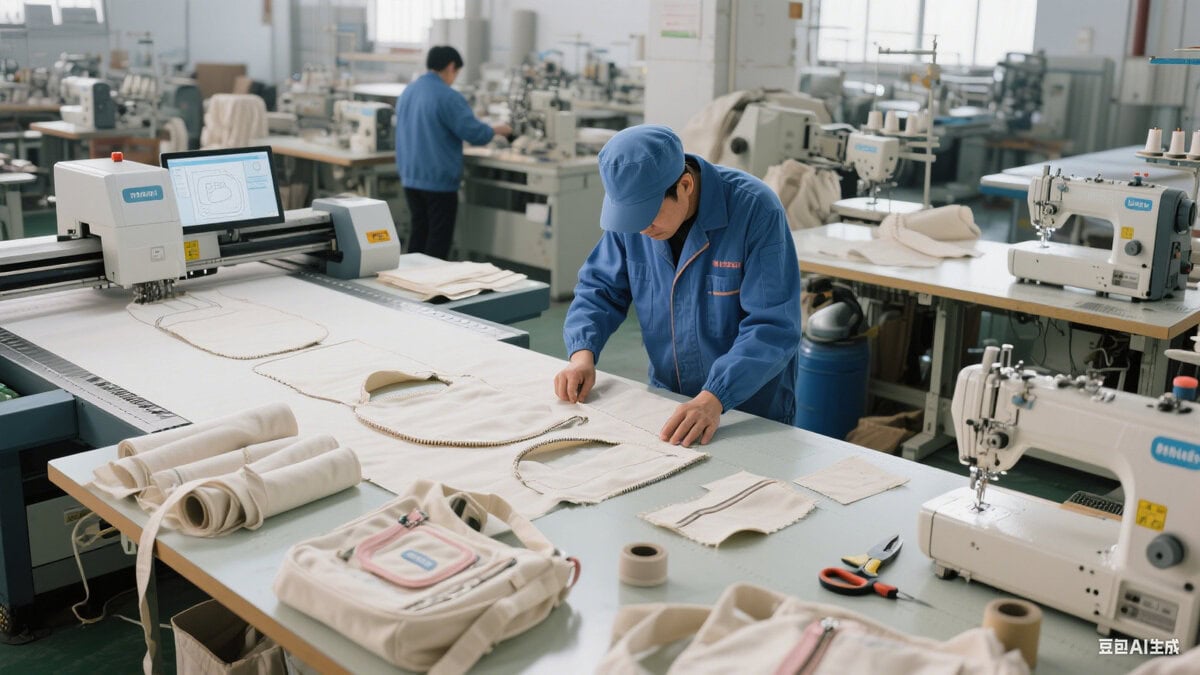
This article delves into the synergy between manual craftsmanship and core production machinery in the manufacturing of mommy bags:
1.Manual Processes: Fabric selection, pre-treatment, and quality inspection are all handled manually to ensure raw material quality and meticulous attention to details.
2.Machine Processes: Production machinery such as computerized cutting beds, lockstitch machines, and overlock machines enable precise cutting and efficient sewing, supporting bulk customization.
3.Customization Advantages: Flexible parameter adjustments allow for meeting small-batch personalized needs (e.g., size modifications, functional design).
4.Quality Assurance: The combination of manual quality checks and machine production ensures the durability and consistency of products.
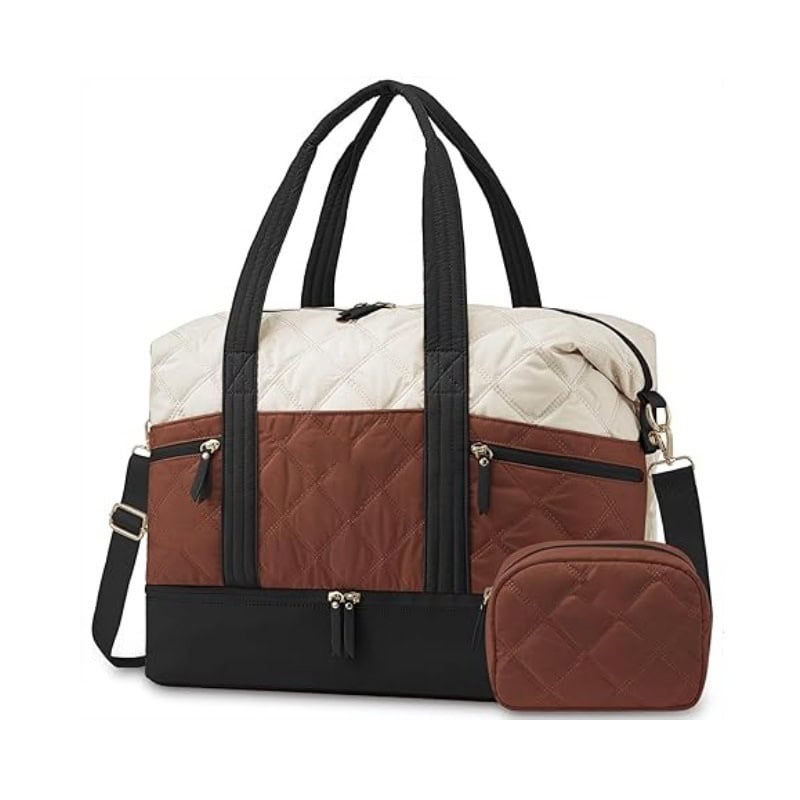
For distributors, retailers, and brands in the baby gear market, finding diaper bags that truly resonate with modern parents is key to driving sales and customer loyalty. The double layer diaper bag category is evolving, and we’re excited to introduce two groundbreaking 2025 designs that tackle the core frustrations of today’s moms: excessive weight, chaotic organization, and cleaning hassles.
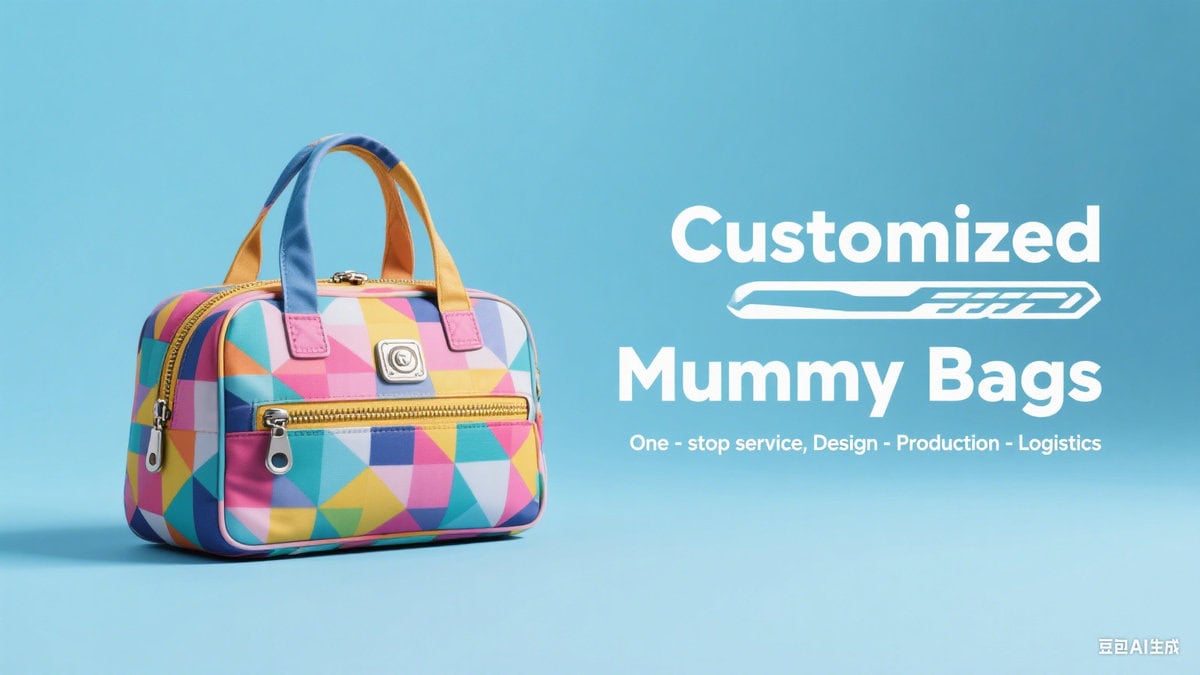
As the global baby product market continues its exponential growth, Mummy Bags—multi-functional backpacks combining storage, temperature control, and portability—have become essential companions for modern parents.
This Mummy Bag Customization Guide will walk you through the customization process and highlight how we, as a leading Chinese exporter, deliver tailored solutions that align with your brand vision and regional market demands.

The mom bag market in the Middle East is experiencing rapid growth. In 2023, the market size exceeded $7 billion, and it is projected to reach $8.49 billion by 2027. Meanwhile, the mom bag segment (covering the Middle East and Africa) is expected to hit $37.4 million by 2030.
This growth is driven by a young demographic structure, high birth rates, and strong purchasing power among consumers. Middle Eastern families invest heavily in maternal and infant products – for instance, parents in Saudi Arabia spend five times more on their children than those in Europe – which has boosted demand for high-end mom bags.